How Professional Exterminators Diagnose Wood Pests

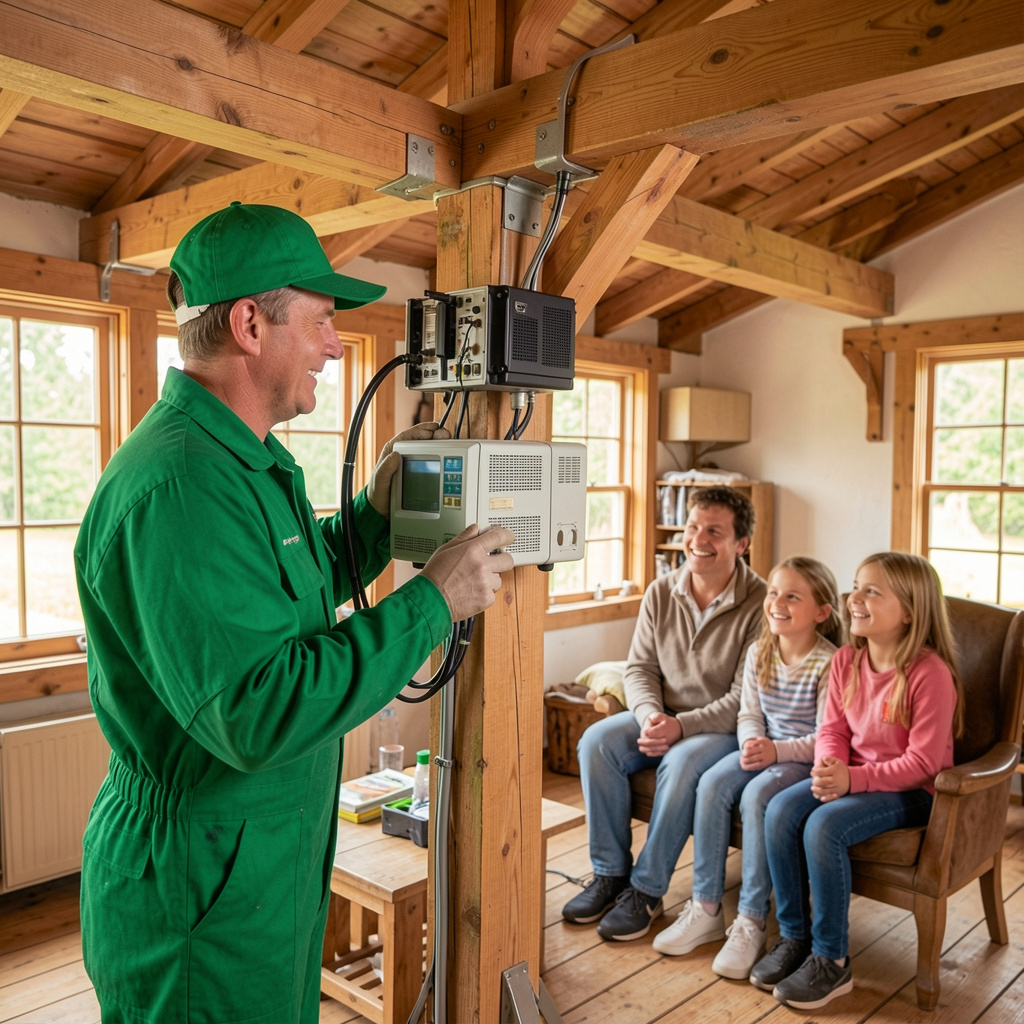
Wood pests can remain hidden for months or even years before visible damage appears. Whether the problem involves wood-boring beetles, termites, carpenter ants, or other timber-related pests, accurate diagnosis is the first and most important step toward effective treatment. Misidentifying the pest can lead to unnecessary treatments, wasted money, and continued damage to wooden structures.
Professional exterminators use a combination of visual inspections, specialized tools, and knowledge of pest behavior to determine exactly which insect is present, whether the infestation is active, and how extensive the damage may be. Rather than relying on a single sign, they evaluate multiple factors before recommending a treatment plan.
This guide explains how professional exterminators diagnose wood pests and what homeowners can expect during a thorough inspection.
Why Accurate Diagnosis Is Important
Different wood pests require different treatment methods.
A proper diagnosis helps professionals:
- Identify the pest species.
- Confirm whether the infestation is active.
- Assess the extent of damage.
- Determine the source of the problem.
- Recommend the most appropriate treatment.
Accurate identification also helps avoid unnecessary chemical applications or repairs.
Step 1: Gathering Background Information
An inspection usually begins with questions about the property.
The exterminator may ask about:
- The age of the building
- Previous pest treatments
- Recent renovations
- Water leaks
- Areas where damage was first noticed
- Seasonal pest activity
This information helps narrow down possible causes.
Step 2: Visual Inspection
A careful visual inspection is the foundation of every diagnosis.
Professionals inspect:
- Roof timbers
- Floor joists
- Wall framing
- Window frames
- Door frames
- Wooden furniture
- Basements
- Attics
- Crawl spaces
They look for visible signs of insect activity and environmental conditions that may contribute to infestations.
Step 3: Looking for Characteristic Signs
Different pests leave different evidence.
Common signs include:
Wood-Boring Beetles
- Small round or oval exit holes
- Fine or coarse wood dust (frass)
- Adult beetles
- Surface crumbling
Drywood Termites
- Pellet-shaped frass
- Hollow timber
- Small kick-out holes
- Swarming termites
Subterranean Termites
- Mud tubes
- Hollow wood
- Damaged structural timber
Recognizing these patterns helps identify the responsible pest.
Step 4: Checking Moisture Levels
Moisture plays a major role in many timber problems.
Professionals often evaluate areas affected by:
- Roof leaks
- Plumbing leaks
- Condensation
- Poor ventilation
- High indoor humidity
Some wood-boring beetle species are more likely to infest timber with elevated moisture content.
Step 5: Assessing Structural Condition
The condition of the timber is carefully examined.
Inspectors check for:
- Soft wood
- Hollow sections
- Cracks
- Warping
- Fungal decay
- Surface damage
This helps determine whether repairs may be needed in addition to pest treatment.
Step 6: Identifying Active vs. Old Damage
One of the most important parts of the inspection is determining whether the infestation is currently active.
Professionals may look for:
- Fresh frass
- Recently emerged adult insects
- Clean exit holes
- New mud tubes
- Current insect activity
Old exit holes or historic damage do not always indicate an active infestation.
Step 7: Using Specialized Inspection Tools
Depending on the situation, professionals may use specialized equipment to assist with diagnosis.
Examples include:
- Moisture meters
- Inspection lights
- Magnifying lenses
- Borescopes (inspection cameras)
- Probing tools
- Thermal imaging cameras (where appropriate)
These tools help locate hidden damage while minimizing unnecessary disturbance to the structure.
Step 8: Identifying the Pest Species
Correct species identification is essential.
Common wood pests include:
- Common Furniture Beetle
- Deathwatch Beetle
- House Longhorn Beetle
- Powderpost Beetles
- Drywood termites
- Subterranean termites
- Carpenter ants
Different species require different management strategies.
Step 9: Preparing a Treatment Plan
Once the inspection is complete, the exterminator develops a treatment plan based on:
- Pest species
- Severity of infestation
- Structural condition
- Accessibility
- Property type
- Preservation requirements
The recommended approach may include monitoring, localized treatment, or broader pest management measures.
Modern Woodworm Treatment Options
If an active woodworm infestation is confirmed, treatment depends on:
- Beetle species
- Severity of infestation
- Structural condition
- Accessibility
Professional options include approved chemical treatments and modern heat-based technologies.
Microwave Woodworm Treatment
One increasingly popular chemical-free option is microwave woodworm treatment.
Professional microwave equipment uses dielectric heating to generate controlled heat inside timber.
The treatment is designed to eliminate:
- Woodworm larvae
- Beetle eggs
- Pupae
- Adult wood-boring beetles
Benefits
- Chemical-free
- No pesticide residues
- Localized treatment
- Environmentally responsible
- Suitable for many heritage buildings
- Helps preserve original structural timber
When an active wood-boring beetle infestation is confirmed, microwave treatment may be recommended where appropriate as part of a comprehensive timber preservation strategy.
How Homeowners Can Prepare for an Inspection
Before the inspection:
- Clear access to attics and basements.
- Move furniture away from affected walls if possible.
- Gather records of previous pest treatments.
- Note where signs of damage have been observed.
- Report any moisture problems or recent leaks.
Providing accurate information helps make the inspection more efficient.
Professional Diagnosis vs. DIY Inspection
| Professional Inspection | DIY Inspection |
|---|---|
| Identifies the exact pest species | May identify only visible signs |
| Uses specialized tools | Limited to basic visual inspection |
| Assesses structural condition | May overlook hidden damage |
| Distinguishes active and old infestations | Difficult to confirm activity |
| Provides treatment recommendations | Useful for routine monitoring only |
Professional inspections provide a more complete understanding of the problem.
Common Mistakes to Avoid
Avoid these common errors:
- Assuming every hole in wood indicates an active infestation.
- Ignoring fresh frass.
- Delaying inspections after discovering damage.
- Treating pests without identifying the species.
- Overlooking moisture problems.
Accurate diagnosis is the foundation of successful pest management.
Common Myths About Wood Pest Inspections
Myth 1: All Wood Damage Is Caused by the Same Insect
Fact: Different pests leave different signs, and accurate identification is necessary to choose the correct treatment.
Myth 2: Visible Damage Shows the Full Extent of an Infestation
Fact: Many wood pests cause hidden internal damage long before it becomes visible on the surface.
Myth 3: If You Don’t See Live Insects, There Is No Infestation
Fact: Many wood pests spend most of their lives hidden inside timber or underground. Professionals look for multiple signs of activity, not just live insects.
Conclusion
Diagnosing wood pests requires more than simply spotting holes in timber. Professional exterminators evaluate the building’s condition, inspect vulnerable wooden structures, identify characteristic signs left by different pests, assess moisture levels, and determine whether an infestation is active before recommending treatment. This careful approach ensures that homeowners receive the most appropriate solution while avoiding unnecessary repairs or treatments.
Regular inspections, prompt attention to moisture problems, and routine maintenance remain the best ways to protect wooden structures from long-term damage. When active wood-boring beetle infestations are confirmed, modern solutions such as microwave woodworm treatment can provide a targeted, chemical-free option for preserving valuable timber. Combined with an accurate professional diagnosis, these measures help keep wooden homes strong, safe, and well protected for years to come.Visit https://www.shashel.eu online for more details.

